

Barcode & RFID solutions for returnable asset tracking
Returnable asset tracking for industrial pooled asset fleets. Serialise every asset, see where it is, who has it and what it contains, then automate your processes, and charging models around it.
Returnable asset tracking at a glance
Who it’s for: Pooled/returnable packaging operators, manufacturers, FMCG, logistics, and breweries.
What you can get: Live location, track & trace, custody, condition, contents, and a complete audit trail.
Outcomes: Fewer losses, higher turns, simpler billing.
Typical deployment: RFID tags, reading infrastructure, mobile devices, middleware, professional services, installation & support.
Returnable transit packaging delivers sustainability and lower cost, but only if assets keep moving. Our hybrid barcode and RFID solutions give you live visibility of location, custody, condition and contents across plants, partners and customers. Reduce loss, increase turns and simplify billing, with standards-based data that plugs straight into any information system, such as your ERP or WMS.
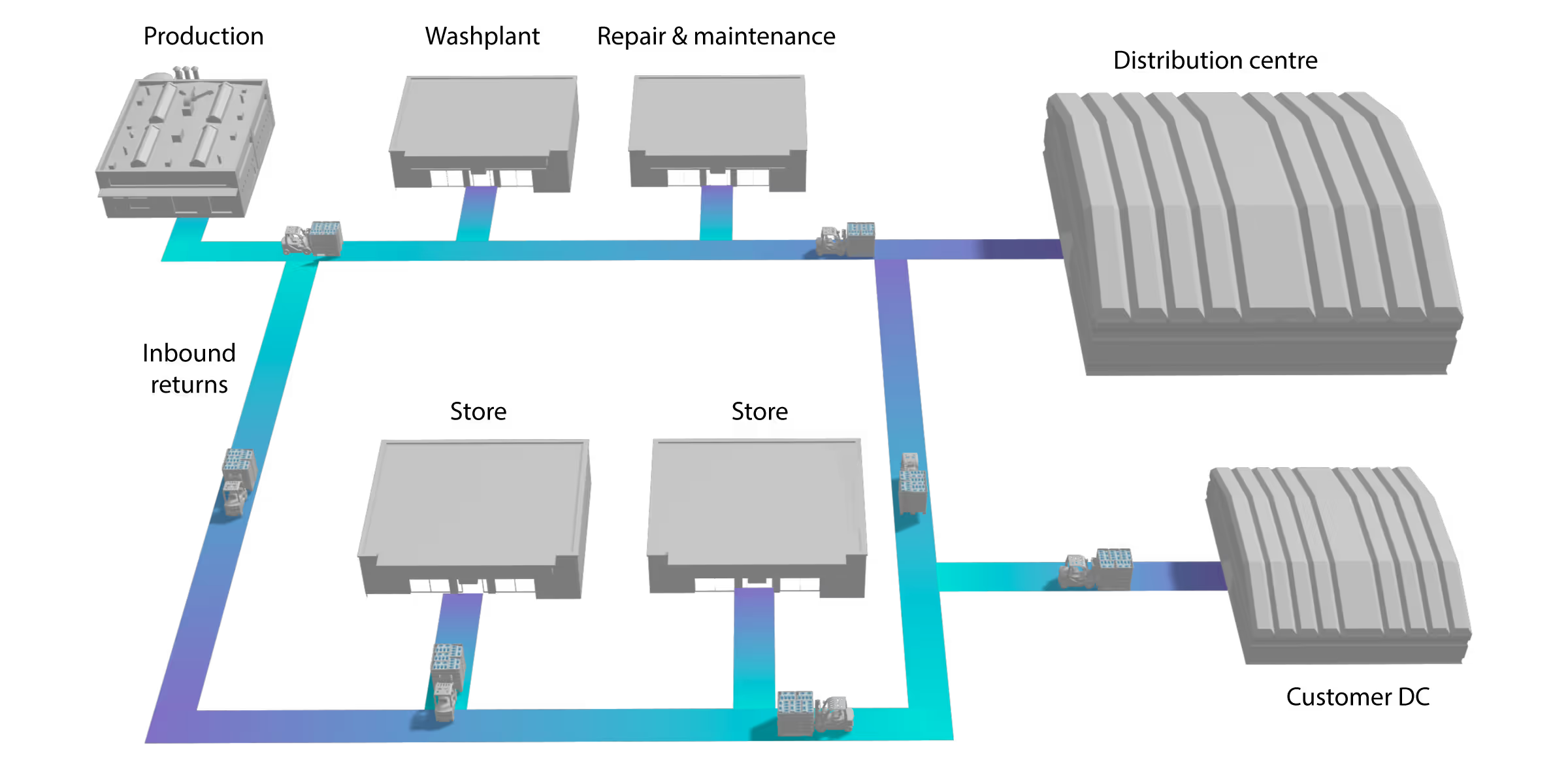
Key challenges in returnable asset tracking ...
Shrinkage and misplaced assets

Reusable items leak from the pool when visibility is weak. Serialised IDs and automated reads at control points show exactly where assets are and who last handled them.
Low utilisation and slow turns
Idle assets create stockouts and inflated pool sizes. Movement events, dwell time alerts and route insights help you balance the fleet and increase turns.
Per-use billing friction
Per-use charging only works with auditable custody. Our system maintains a complete history of movements and contents so invoices can be created with confidence.
Hygiene, wash and repair control

Automated rules trigger washing, sanitising or inspection based on time, use count or detected damage. That keeps assets serviceable and compliant.
Multi-partner complexity

Barcode and RFID reads from suppliers, carriers, depots and customers are standardised and streamed into your systems, so the wider ecosystem remains simple to manage.
Make all your assets intelligent ...
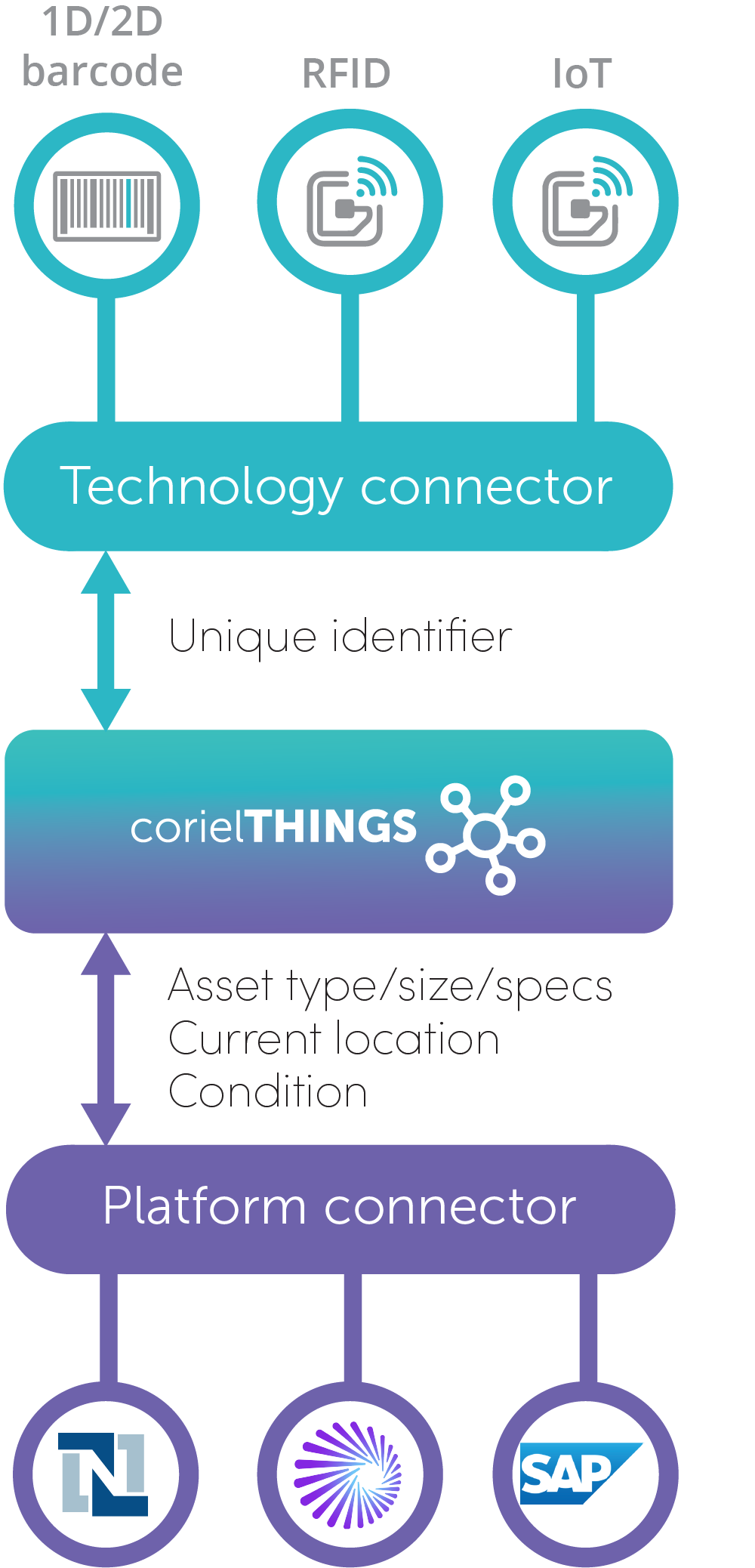
Using GS1 and EPC-based identifiers, corielTHINGS programs the durable barcodes, QR codes, and RFID/IoT tags attached to every returnable item. A unique digital link connects the physical asset to its cloud record. From that point you can:
- Track precise micro and macro location across the supply chain
- Associate load contents for item-level traceability
- Record condition, maintenance and wash cycles
- Monitor partner usage and custody
- Optimise pool size and distribution to match demand
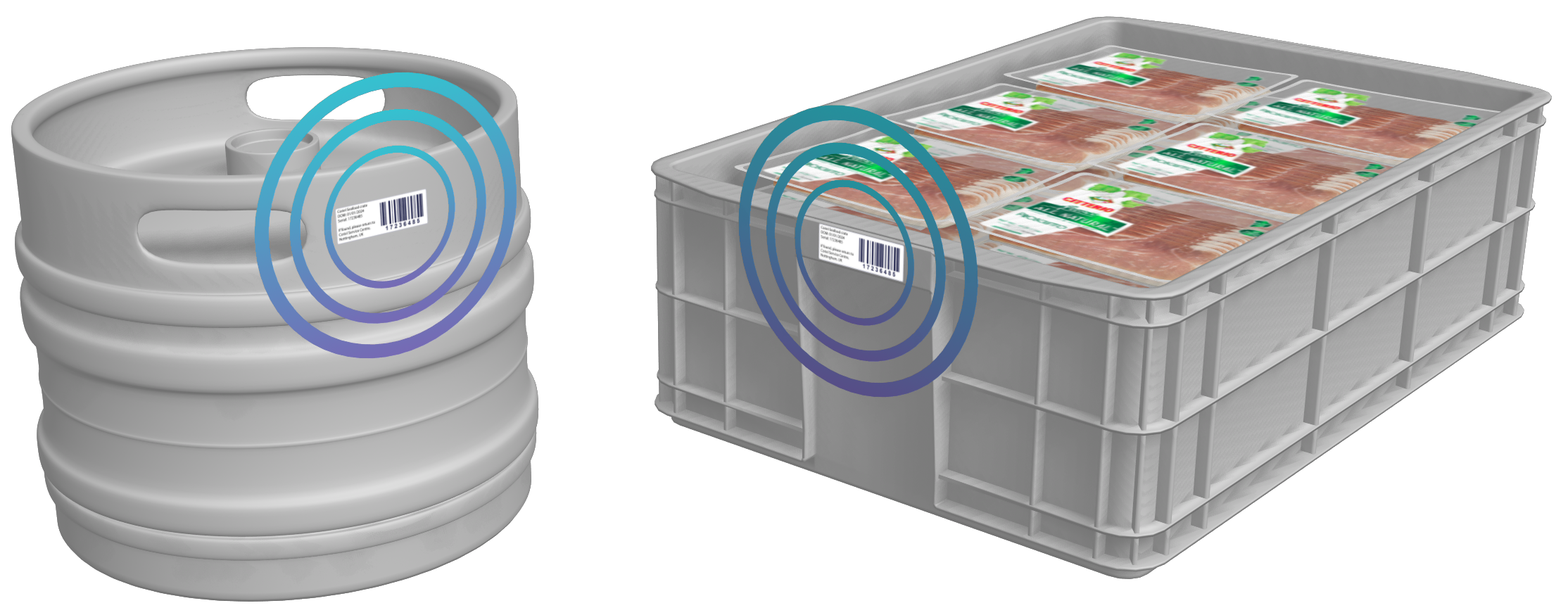
What assets can you track?
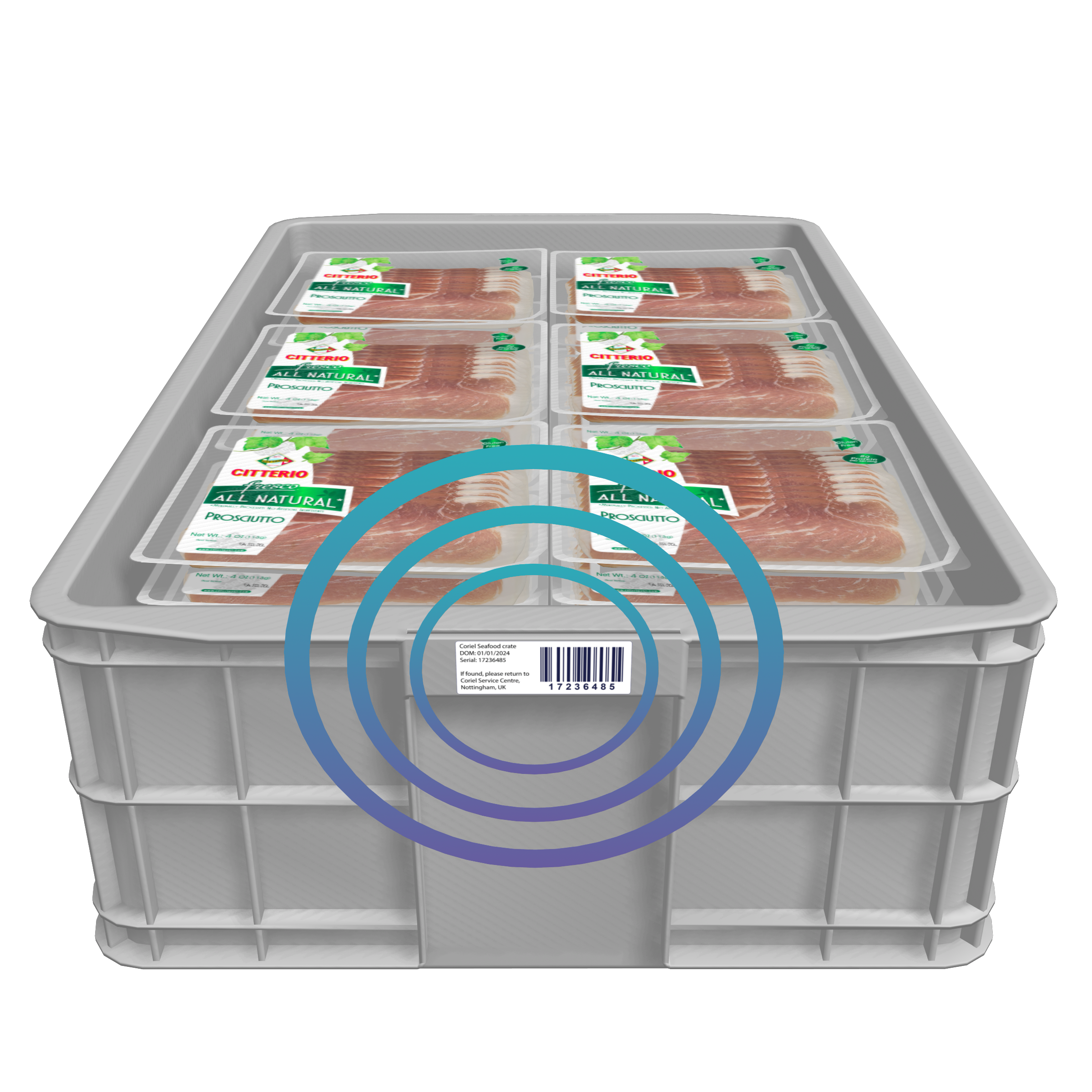
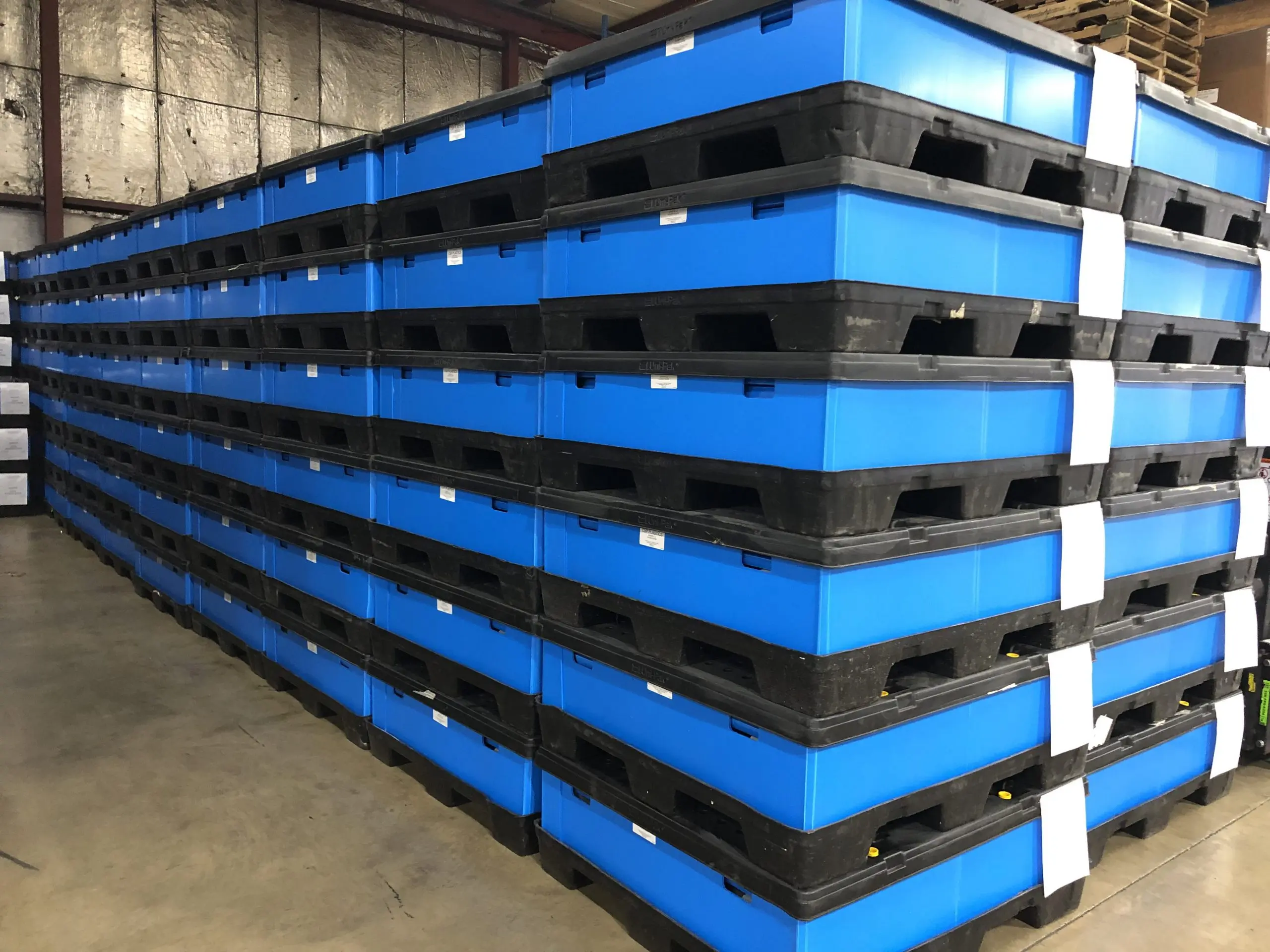
Totes, trays & crates
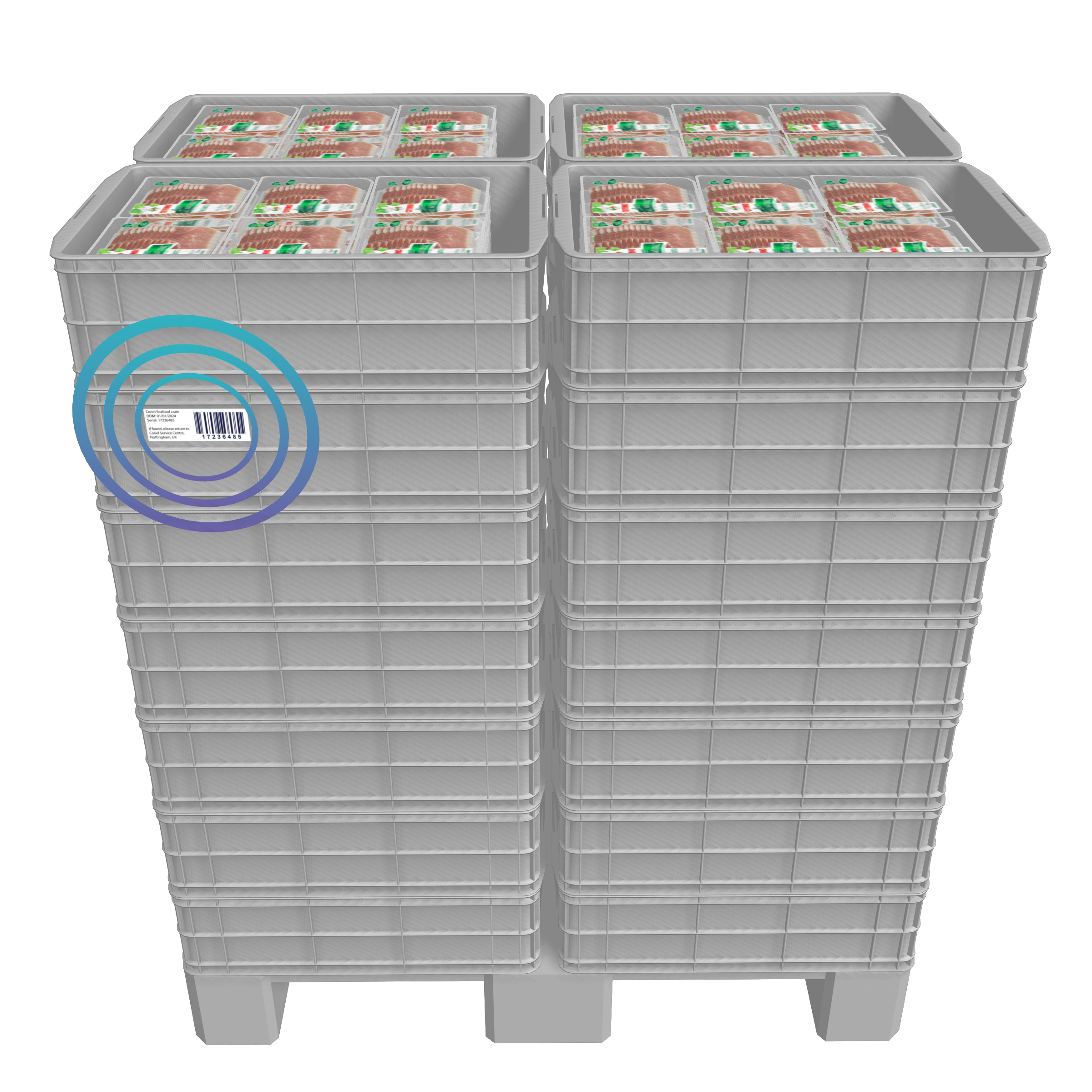
Pallets, stillages and roll cages
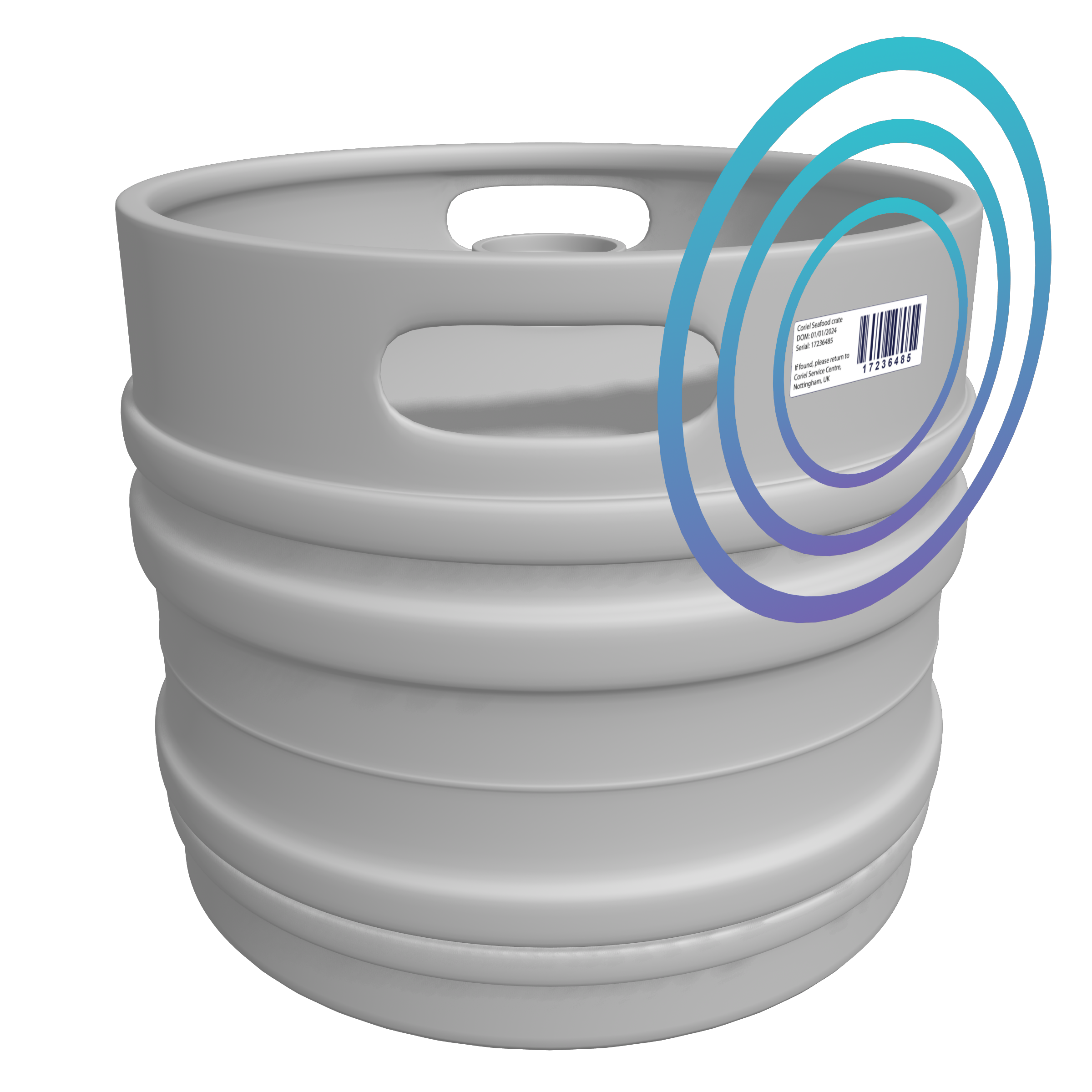
Kegs, casks and containers
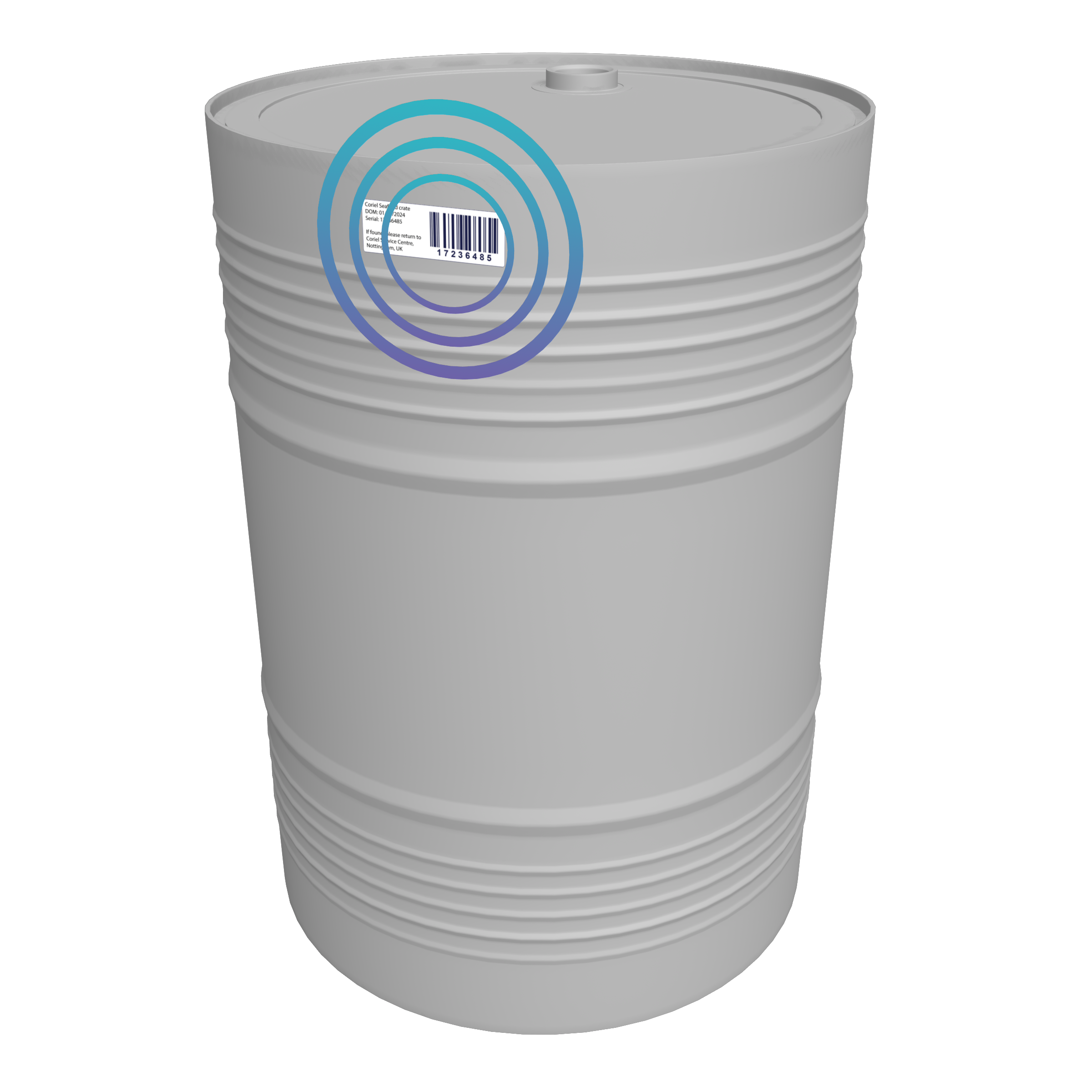
IBCs and drums
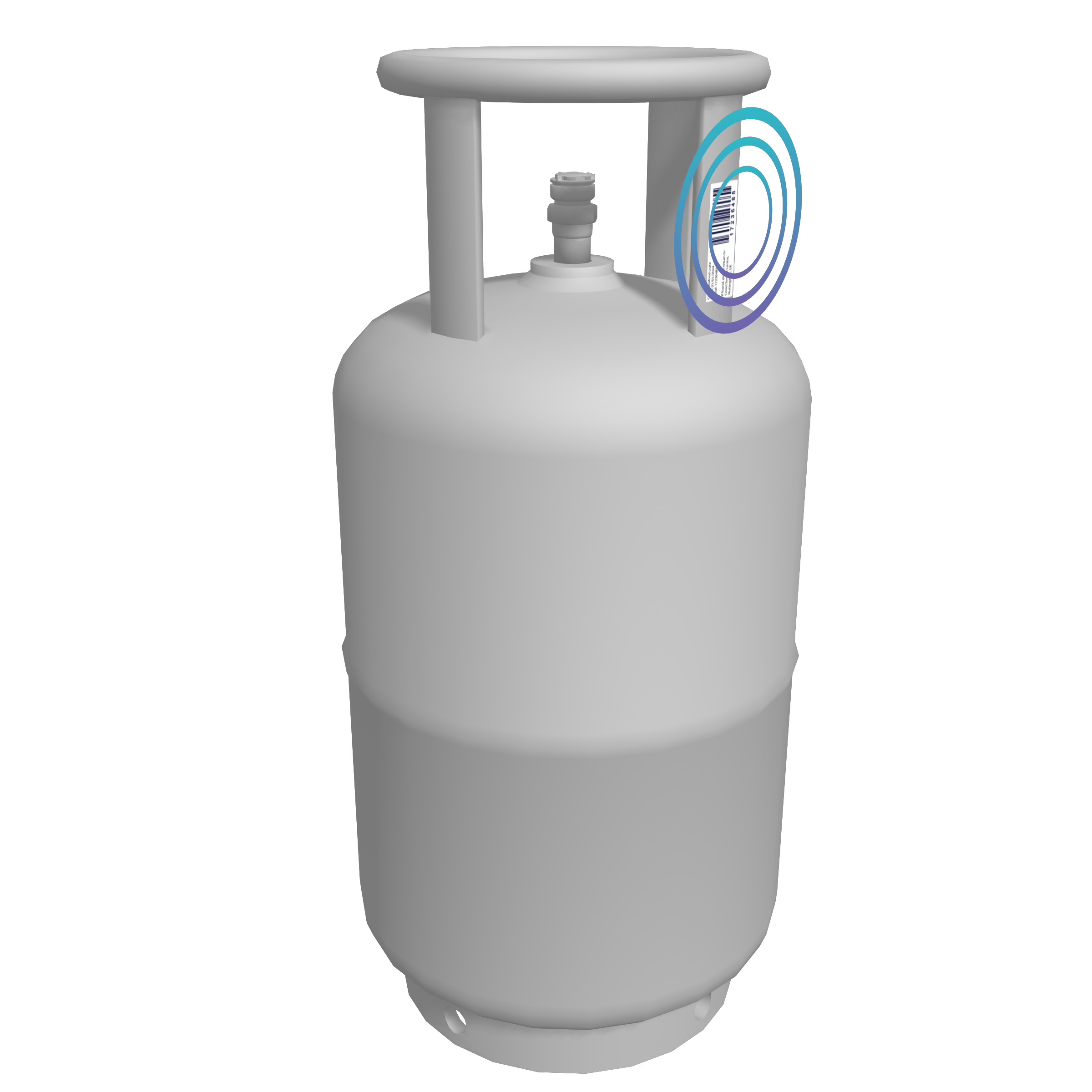
Gas canisters and cylinders
How does returnable asset tracking work?

Tag your assets with intelligent labels
Add read points across the supply chain
Automatically capture events
Get real-time alerts & notifications
Gain business intelligence
Know where your assets are ...
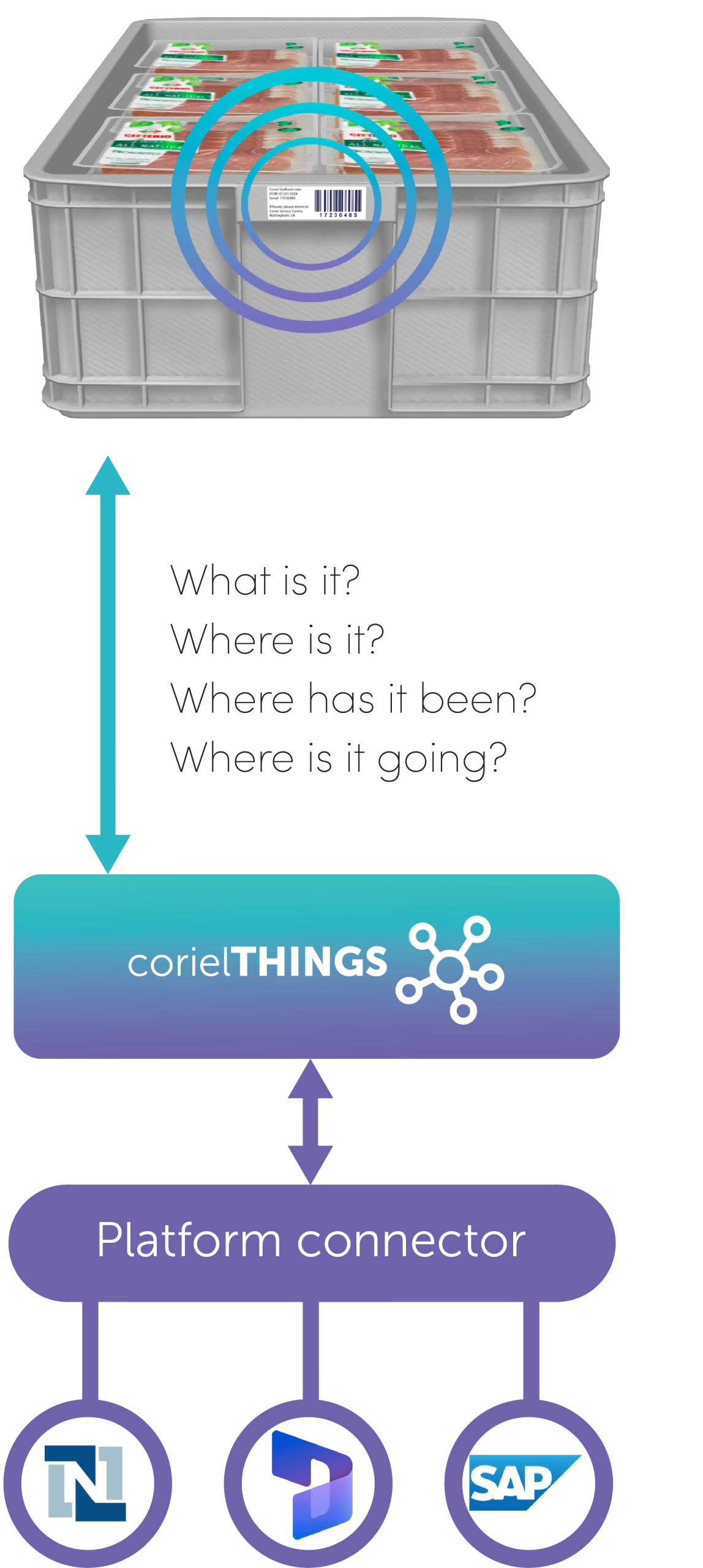
Once your assets are tagged, they can be read at scale and over long distances using a variety of equipment, from handhelds to fully automated conveyor and dock-door systems. The asset’s location and content are immediately updated in your existing ERP/WMS via our platform connector.
- Hands-free/operator free identification of every asset
- Immediate updates to your backend systems
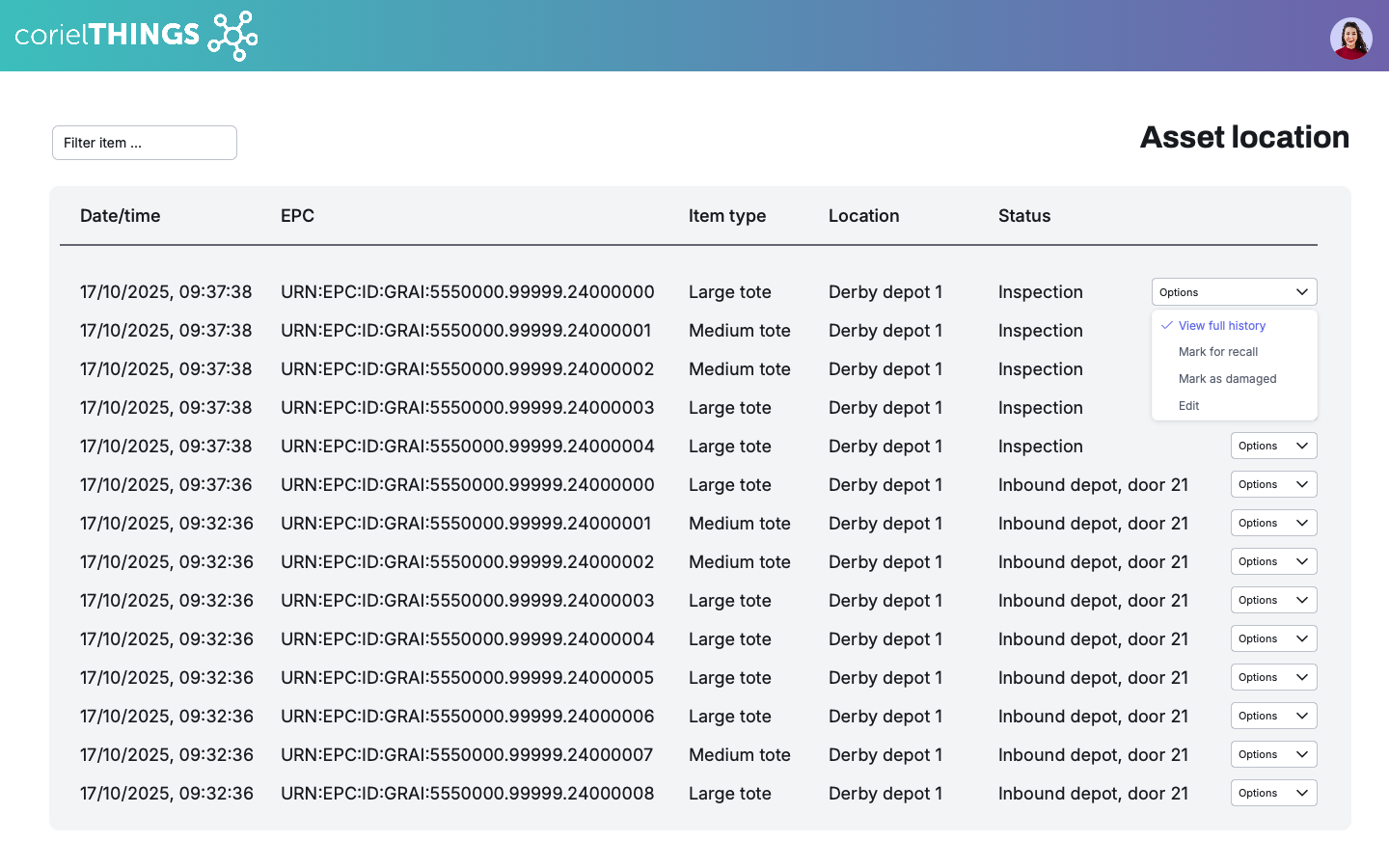
- Know the precise location of every asset
- Micro-location: where is the asset within a site?
- Macro-location: where is the asset within the whole supply chain?
What else can you do with corielTHINGS?
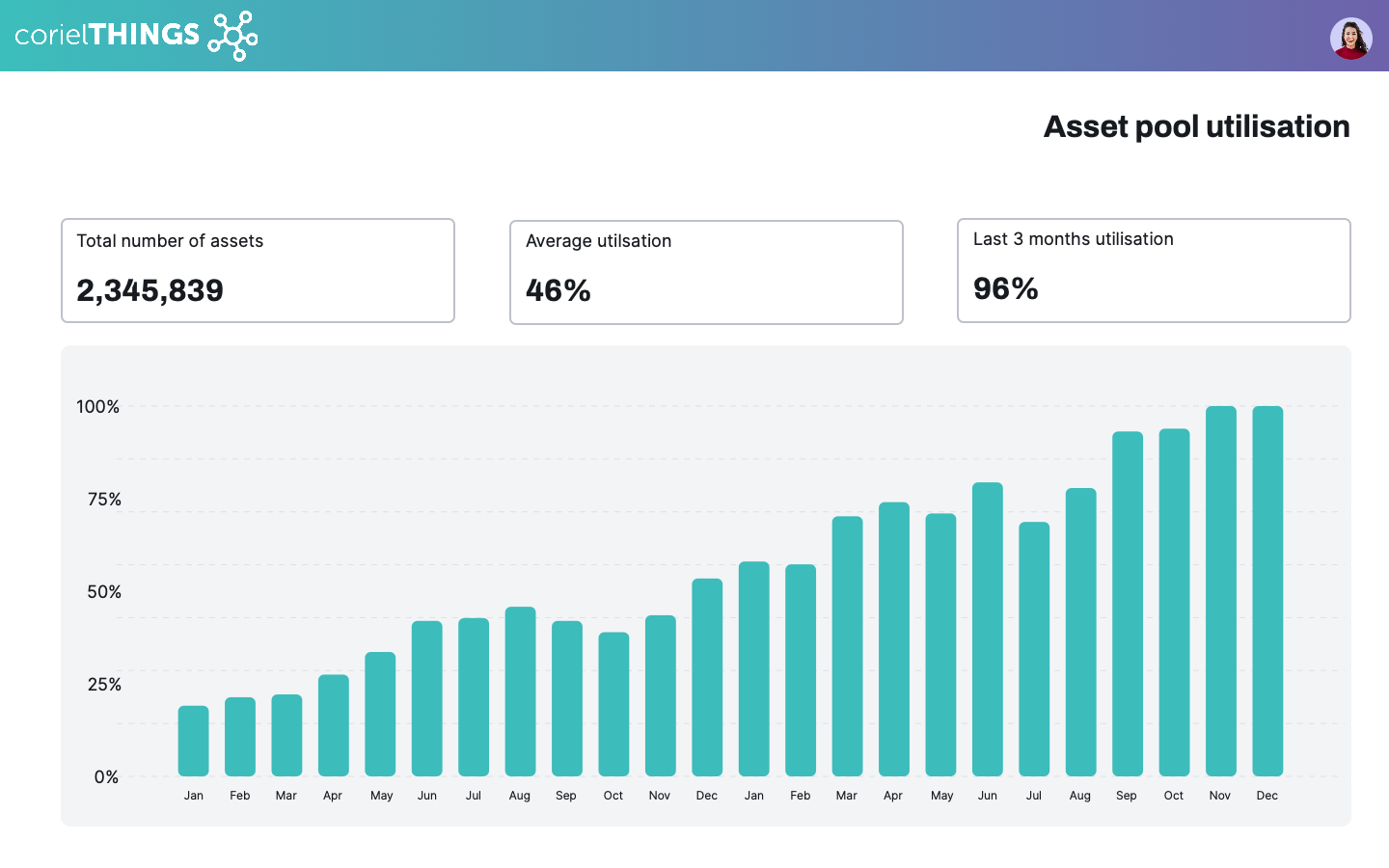
Optimise your utilisation
Simple reports and dashboards give you a ‘birds-eye’ view of what’s happening across your supply chain.
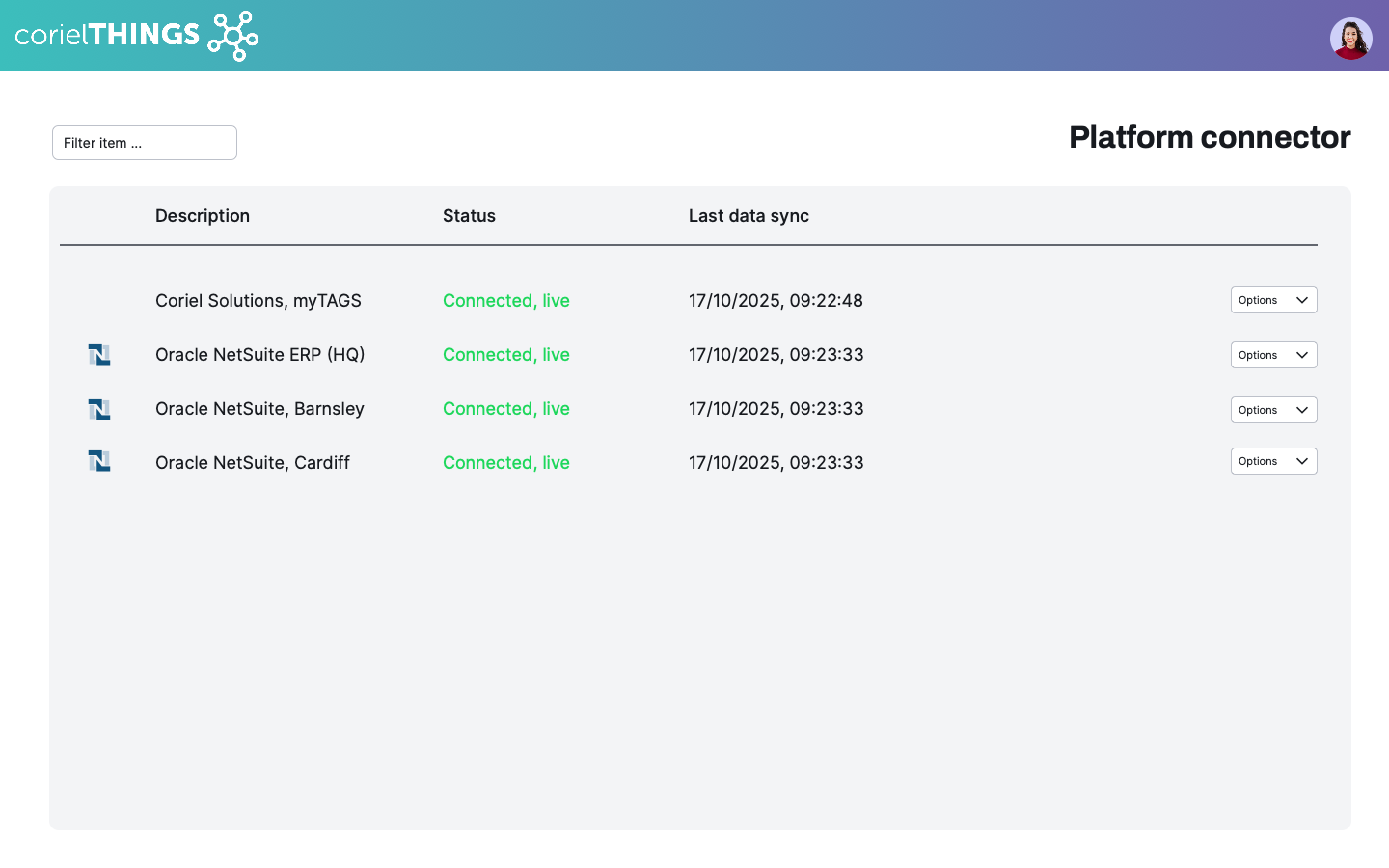
Live sync with your ERP
corielTHINGS is a completely connected platform, allowing you to integrate your ERP, WMS or bespoke systems via simple web calls.
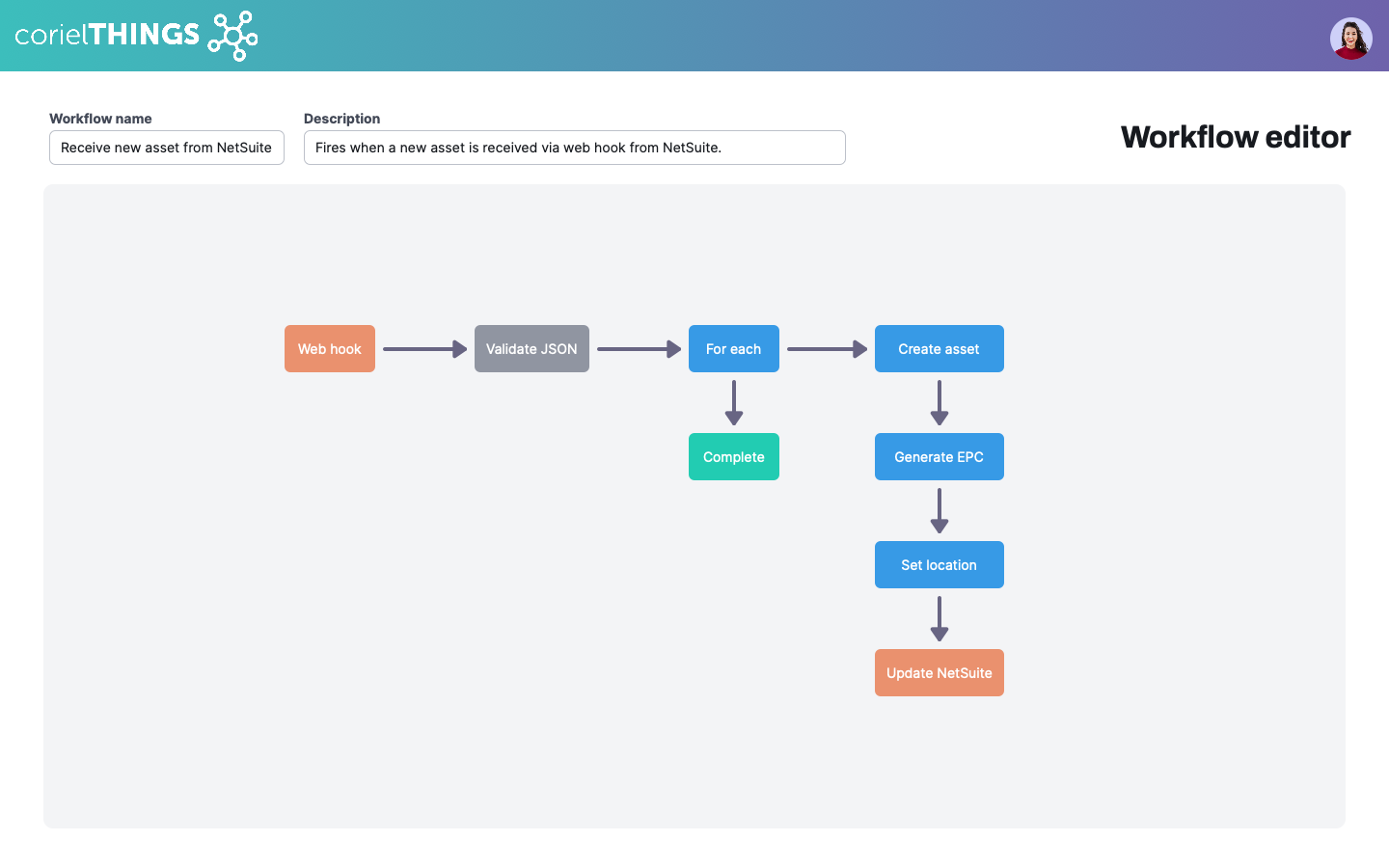
Visual workflows
Powerful workflows can be created based on events across your supply chain, making integration and data processing simple.
Returnable asset tracking news & content ...

A Practical Roadmap to Implementing Digital Product Passports
This is our step-by-step guide to digital product passport implementation, covering ESPR compliance, GS1 standards, EPCIS 2.0 and phased rollout.

The 2026 Guide to Digital Product Passports
This is our practical guide to digital product passports in 2026, covering ESPR compliance, GS1 standards, EPCIS 2.0 and how businesses can prepare.

How can RFID integration enhance manufacturing processes?
How can RFID integration enhance manufacturing processes? RFID already powers traceability in the world’s toughest supply chains. In manufacturing, integration turns tags and reads into actionable insight that cuts downtime, improves quality and unlocks true lean...