

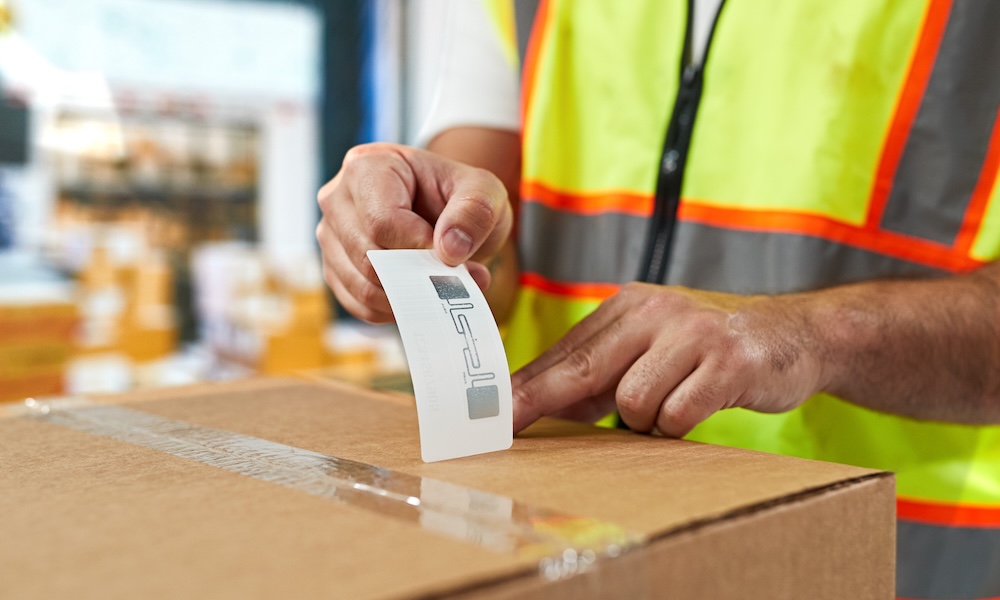
In pharmaceutical supply chains, proof of delivery is not simply a confirmation step. It is a critical control point that underpins stock accuracy, traceability, and operational confidence.
Bulk Retail Supply Chains Can Learn a lot from the Pharmaceutical Industry
Products are high value, often time-sensitive, and in many cases subject to strict handling and expiry requirements. As a result, every movement is tracked, every handover is recorded, and every exception is visible.
This level of discipline has transformed how pharmaceutical organisations manage stock, reduce loss, and maintain confidence in their supply chains.
The bulk retail sector is now facing similar operational pressures.
High-value items, complex multi-part orders, and costly home deliveries mean that when something goes wrong, the financial and customer impact is immediate. However, many retail operations still rely on limited proof of delivery processes, creating gaps in visibility and control.
The opportunity is not to reinvent delivery processes, but to apply proven principles from pharmaceutical supply chains to retail environments.
What Pharmaceutical Supply Chains Get Right
Pharmaceutical operations are built on a level of control that ensures every product can be traced at any point in its journey.
This is achieved through three core disciplines:
- Chain-of-custody: every item is tracked from origin to final handover
- Scan discipline: each movement is consistently recorded
- Exception control: discrepancies are identified and resolved immediately
Together, these create a system where stock reporting is accurate, movements are verifiable, and accountability is clear.
In environments where products may expire, require controlled handling, or carry significant value, this level of traceability is essential. It ensures that organisations know not only where stock is, but how it has moved and whether it has been handled correctly.
This is the foundation of operational confidence.
From Estimated Status to Verified Status
A key outcome of this approach is the ability to move from estimated updates to verified ones.
In pharmaceutical supply chains, customer communication is based on real events, not assumptions. Organisations can confirm:
- when an item has been received
- when it has been picked and verified
- when it has been dispatched
- when it has been delivered
This level of certainty reduces ambiguity and improves trust.
In bulk retail, customers are increasingly expecting the same level of clarity. They want to know not just that an order is “on its way,” but that it is complete, correct, and progressing as expected.
Meeting these expectations requires a shift from system-based status to event-based status.

From “Delivered” to “Delivered Correctly”
In many retail operations, delivery is still treated as a binary outcome.
An order is either delivered or it is not.
However, this does not reflect the reality of bulk retail, where:
- orders often consist of multiple items
- deliveries involve multiple handling points
- the condition of goods matters as much as their arrival
A delivery can be marked as complete while still being incorrect, incomplete, or disputed.
This is where many of the most costly issues arise:
- missing components in multi-box orders
- incorrect items delivered
- disputes over damage or condition
Moving to a model of “delivered correctly” requires validation at each stage of the process, supported by clear, item-level evidence.
Applying Pharmaceutical Discipline to Bulk Retail
The same principles that underpin pharmaceutical supply chains can be applied directly to bulk retail environments.
This includes:
- tracking items at each stage of their journey
- validating movements through consistent scanning or reading
- capturing events at key handover points
- managing exceptions in real time
When applied to retail operations, this approach creates a continuous record from inbound receipt through to final delivery.
Rather than relying on manual checks or assumptions, retailers gain a clear, verifiable view of what has happened to each item.
This is not a theoretical model. It is a practical extension of an approach that has already been implemented in more demanding supply chain environments.

RFID and Structured Proof of Delivery
RFID, combined with structured proof of delivery (POD), enables this level of control by capturing data automatically at each critical step.
At item level, this typically includes:
- Unique identity (serial or product reference)
- Time of event
- Location of handover
- Handler or responsible party
- Condition or exception status
This creates a reliable audit trail that links physical product movement to system records.
By integrating this data with warehouse, transport, and customer communication systems, retailers can ensure that all stakeholders are working from the same, accurate information.
Reducing Claims and Redeliveries
One of the most immediate benefits of improved proof of delivery is the reduction of claims and redeliveries.
Without clear evidence, retailers may:
- issue credits without full verification
- replace items unnecessarily
- absorb the cost of failed deliveries
- spend time investigating disputes
With item-level tracking and recorded handovers, retailers can:
- confirm exactly what was dispatched
- verify what was delivered and when
- identify where issues occurred in the process
This reduces both direct financial loss and the operational effort required to manage claims.

Preventing Common Delivery Failures
Many delivery issues originate earlier in the process, rather than at the point of handover.
These include:
- incorrect items picked
- incomplete orders staged for dispatch
- loading errors that are not identified before departure
By introducing validation at each stage: picking, staging, loading, and delivery, retailers can prevent errors before they reach the customer.
This shifts delivery from a reactive process to a controlled one.
Creating a Single Source of Truth
Bulk retail operations often rely on multiple systems, including:
- warehouse management systems (WMS)
- transport management systems (TMS)
- customer communication platforms
Without integration, these systems can present different versions of the same order.
By connecting RFID and POD data across these platforms, retailers can create a single, consistent view of the order journey.
This ensures that internal teams are aligned, customer communication is accurate, and discrepancies are easier to identify and resolve.
Measuring the Impact
To assess the effectiveness of improved proof of delivery and chain-of-custody, retailers should track:
- claims and chargeback rates
- redelivery costs
- frequency of delivery disputes
- on-time, in-full performance
- customer satisfaction
These metrics provide a clear view of how improved visibility and control translate into operational and commercial outcomes.
A Practical Rollout Approach
The most effective implementations begin with focused areas of impact.
Retailers typically prioritise:
- high-value products
- complex, multi-item orders
- delivery routes with high failure or dispute rates
This approach allows organisations to demonstrate measurable improvement quickly, refine processes in a controlled environment, and build a scalable model for wider rollout.
From Delivery Process to Competitive Advantage
In pharmaceutical supply chains, proof of delivery is a foundation for trust, accuracy, and control.
Bulk retail is now reaching a point where similar expectations apply.
Retailers that adopt a more disciplined approach to chain-of-custody and proof of delivery can reduce claims, improve delivery accuracy, and strengthen customer confidence.
By applying proven principles from pharmaceutical environments, supported by RFID and structured POD, delivery can move from a source of cost and risk to a point of operational strength.
For retailers looking to improve delivery accuracy, reduce claims, and introduce greater control across fulfilment, Coriel Solutions works as a complete system integrator, applying proven approaches from regulated supply chains to bulk retail environments, from consultancy through to delivery.
Frequently Asked Questions
What is chain-of-custody and why does it matter in bulk retail?
Chain-of-custody refers to the ability to track an item at every stage of its journey, from receipt through to final delivery. In bulk retail, this is increasingly important due to the value and complexity of products. Applying chain-of-custody principles helps ensure items are accounted for, reduces the risk of errors, and provides clear visibility when issues occur.
How do pharmaceutical supply chains manage proof of delivery differently?
Pharmaceutical supply chains treat proof of delivery as a critical control point rather than a final confirmation. Every movement and handover is recorded, creating a verifiable record of where products have been and how they have been handled. This level of discipline supports accurate stock reporting, traceability, and rapid resolution of any discrepancies.
How can bulk retailers apply pharmaceutical traceability principles?
Bulk retailers can adopt similar principles by introducing item-level tracking, consistent validation at key stages such as picking and dispatch, and structured proof of delivery processes. This allows organisations to move from estimated status updates to verified events, improving both operational control and customer communication.
Can improved proof of delivery reduce delivery disputes and claims?
Yes. When retailers can provide clear, item-level evidence of what was dispatched and delivered, disputes can be resolved more quickly and accurately. This reduces the need for credits, replacements, and manual investigation, while also improving accountability across the supply chain.
Useful links
EPCIS
EPCIS is GS1’s flagship data sharing standard
The GS1 Sunrise 2027 transition
Why is the goal to transition to 2D barcodes by 2027?
GS1 RFID Standards Overview
GS1 overview of EPC RFID standards and how to implement them